 Quarterly Health, Safety and Wellbeing Report
Meeting date:
Quarterly Health, Safety and Wellbeing Report
Meeting date: 11 June 2024
Written date: 19 April 2024
Sponsor: Laura Dixon
Prepared by: 9(2)(a)
This information is for your information only.
What you’re updating Te Pūrengi on
• Q32(Jan - March 2024) Health, Safety and Wellbeing report covering lead and lag indicators and work programme update.
• Wellbeing approach to support 2024 change activities
• Tō Reo Results
• The report has been discussed at Te Mīmiro.
Why Te Pūrengi should consider this
The intent of this report is to be a tool for Te Pūrengi to receive information, to ask questions and to discharge their governance duties. This report
allows the Ministry as a PCBU to monitor the HSW performance, status, and progress against current assumptions.
Information Only paper: Quarterly Health, Safety and Wellbeing Report
Te Pūrengi meeting: 11 June 2024
1

CLASSIFICATION
Quarterly Health,
Safety and Wellbeing
Report
Quarter 3: January – March 2024
CLASSIFICATION

CLASSIFICATION
Work Programme Overview
Below is an overview showing work programme phasing over the next 12 months. Please note this work programme wil run through to 2025 with some projects starting in FY 2024/2025.
Shift from previous report: Critical Risk has moved from green to red. Much of our focus has needed to shift to supporting kaimahi wel being through the change process. During this period,
we do not have capacity to move the Critical Risk project forward as planned. However, we continue to move forward with smaller critical controls that fall under the Critical Risk project
umbrella. This issue has been flagged in our plan view project planning.
Q4
Q1
Q2
Q3
RAG
Apr
May
Jun
Jul
Aug
Sep
Oct
Nov
Dec
Jan
Feb
Mar
Governance,
ONGOING - Policy & Charter review / Quarterly Reporting / HSW Rep Engagement / Safety & Wel being Committee / Te Taiao updates and management
Reporting &
G
Engagement
Review and update reporting
ONGOING - Reporting and data management
Incident &
Hazard
Kiosk data review
G
Management
Investigation process review and updates
Engagement with external consultant
Critical Risk
Isolated/Lone Work
R
Management
Phasing of remaining critical risk work to be decided on recommendations from consultant (Psychological Harm / Driving
for Work / Pandemic)
ONGOING: Wellbeing monitoring and initiatives
Wellbeing
G
Wel being Approach to support change activities (see slide 5 for detail)
Work Program Implementation
Contractor
Assess internal process and standardise documentation
Management
G
2
CLASSIFICATION
 Update
CLASSIFICATION
Element
Current Activity
Next Milestones
Governance,
• The Safety and Wel being Committee (SWC) meeting was held February 29th. Minutes saved here.
• Plan additional Internal training opportunities for our
Engagement &
• HSW Reps will undertake Mental Health First Aid Training in May to support them in their roles.
HSW Reps.
Participation
• An Audit of our HSW management systems will be run in June. Lead by our Risk and Assurance team.
• Hold nominations for HSW Reps where we have
outlined more than one rep per business group. Given
the current change process and expected change in
FTE – we will begin this process after Sept.
Critical Risk
• 9(2)(g)(i)
• Work wil continue in line with this update. Likely that
Management
this wil occur when we have more capacity fol owing
the change period.
Wellbeing
• Wel being Approach to Support Change is progressing wel with all actions either in place or underway. More • Ergonomic Champions are trained in 8WS- We are
detail on slide five.
working with the trained group to create cadence of
• Indigenous Rongoā EAP is available to al kaimahi. Contract has been finalised in alignment with Te Tiriti principles.
check-ins and promotion across the Ministry.
This will be launched on Te Taiao with a range of promotional materials.
• Wel being Pulse surveys for business groups to roll out
• 2024 Flu Vaccination drive is underway with access to vouchers opened to kaimahi April 16th. This wil be open for
as they see fit.
kaimahi to access until the end of the season at 31st July and we wil continue to promote this. So far 186 vouchers
have been downloaded as at 19th April. How to get your free flu vaccine (sharepoint.com).
• 9(2)(ba)(i)
Incident & Hazard
• New streamlined Workstation Assessment process is complete. Successful user testing completed and HSW Reps • Review of current investigation process and creation
Management
updated with the new process. Promoted through a soft launch on Te Taiao - kaimahi are being directed to the new
of clear guidance and expectations for managers and
process as requests come through.
kaimahi.
• Our Kiosk/Jadestar data is being ‘cleaned’ to ensure data is accurate and reporting is seamless.
• Updating our Te Taiao page and Induction to better equip kaimahi with the information and guidance to keep us • Exploring cyclical refresher training for Induction
safe while at work.
materials relating to incident and hazard management.
Connecting with Risk and Assurance team on this.
3
CLASSIFICATION

 Tō Reo Results
CLASSIFICATION
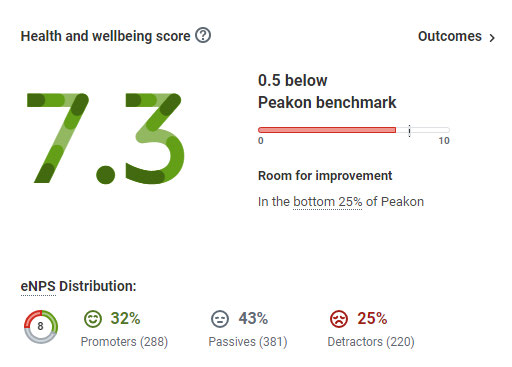
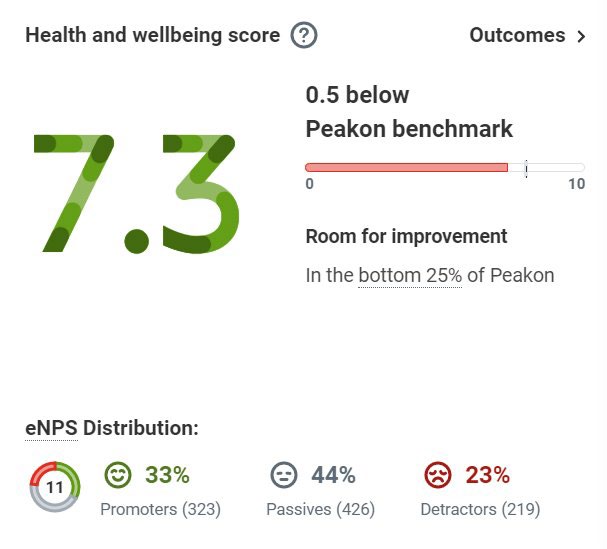
Our overall health and wellbeing score has not shifted from our last Tō Reo survey in March 2023. At 7.3, this is 0.5% below the Peakon Benchmark and tel s us that there is stil room for improvement.
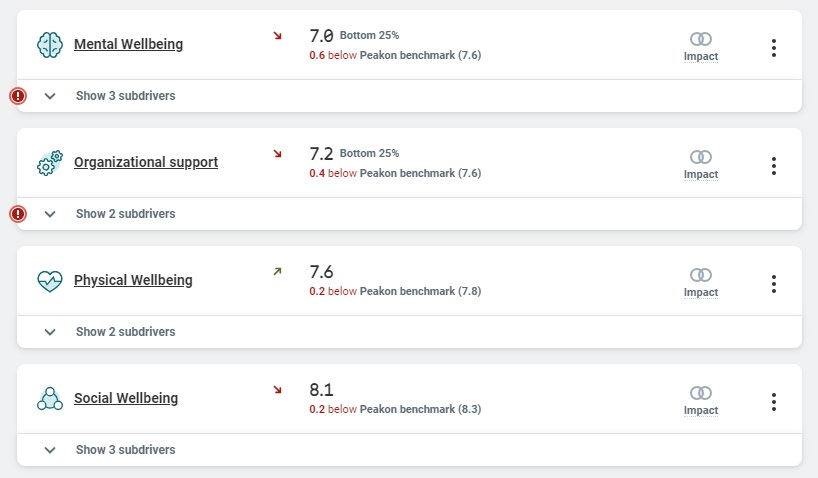
The drivers behind this score have seen some change:
•
Mental Wellbeing has decreased from 7.1 to 7.0. This is likely in relation to the ongoing uncertainty the Ministry is facing. During the last six months we have focused our efforts on widely promoting our wel being
support options such as EAP and Resilience webinars and have also introduced two new wel being support options since the last survey ( Rongoā support and an alternative psychology and counselling
reimbursement).
•
Organisational Support has increased from 7.1 to 7.2 and Physical Wellbeing has increased from 7.4 to 7.6. We have put effort into streamlining our workstation assessment process to make this more accessible
for our people. Our generous flexible working guidelines will also have had a positive impact on this score, allowing people to have good work/life blend.
March 2023
March 2024
Wellbeing: This continues to be an area with low results. Please see Appendix One and Two for a detailed break down from the paper to Te Pūrengi including recommendations to improve.
Our Wel being Through change Approach ( see slide 5) has been designed to relieve some of the wel being impacts and we wil continue to focus on this as our priority as we move through the next phases of change.
Health and Safety: While we have made improvements since the last survey – the commentary has highlighted some further improvement opportunities in our current culture of HSW at the ministry. Particularly as an
indication of kaimahi understanding of our processes, support options and the roles and responsibilities of HSW at the Ministry.
The main areas for improvement are:
• Clear responsibilities for HSW and promotion of who we have at the Ministry doing this work.
• Better understanding and process for Incident and Hazard management.
• Easier access to office equipment and clear guidelines.
4
CLASSIFICATION

CLASSIFICATION
Wellbeing Approach to Support 2024 Change Activities
In January we designed our Wellbeing Approach to support 2024 change activities (see Appendix Three for ful approach). This approach is focused on three key support pillars; Proactive,
Just-in-time, and Aftercare. All pillars are progressing well, with all actions in place or underway. Below is an update on completed and future activity:
Proactive Support
Activity from Wel being Approach
Detail
Status
Preparing our managers for change
• Sessions run for GMs with Organisational psychologist - complete
Underway
• E-Learning module live outlining key change principles and wel being implications - complete
• Change leadership sessions
• Peer learning/support cohorts
• 1:1 support with external experts where needed
Preparing teams who wil have high-interaction with the
• HSW Reps booked in for Mental First Aid Training in May
Underway
business during change ( P&C Advisors, BPs, and HSW Reps)
• Connection / preparation meetings with BPs and Advisors
Preparing al kaimahi for change
• Wel being sessions with Organisational psychologist 9(2)(a)
Complete
• Detailed Te Taiao page outlining key resources and support options available
Just-in Time Support
Activity from Wel being Approach
Detail
Status
1:1 support for kaimahi who are affected
• Clear pathways to access this support and connect with BPs, Advisors and S&W Team
In place
• External support pathways clearly defined and communicated
February Tō reo survey. This wil give us valuable insights and
• Recommendations from results given
Complete
al ow us to pinpoint further opportunities for support.
Aftercare Support
Activity from Wel being Approach
Detail
Status
Outplacement and career support
• Provide assistance with counsel ing, career advice, financial advice and paid time off for job searching, applications and interviews. This
In place
is in line with the Col ective Employment Agreement.
Support for leaders managing changing teams
• On going support for those who are leading and supporting the organisation through change particularly where they bear a significant
In place
amount of the interaction and emotional load with impacted kaimahi.
CLASSIFICATION

 Incident, Hazard & Workstation Asse
CLASSIFICATION
ssment Data
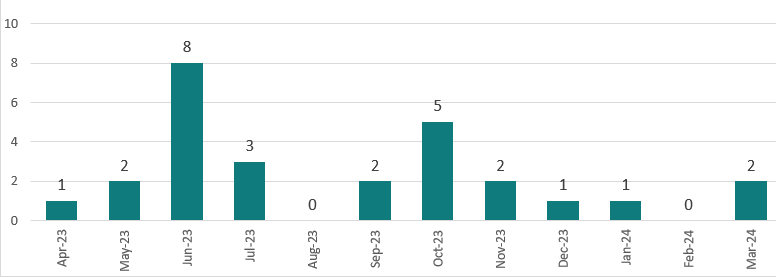
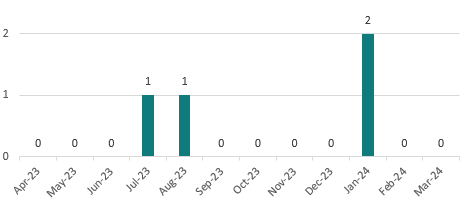
Incidents reported rol ing 12 months Apr 2023 – Mar 2024
Hazards reported rol ing 12 months
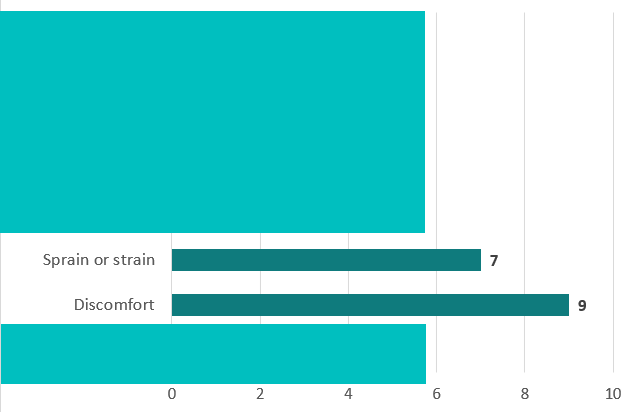
Top Hazards reported rol ing 12 months
9(2)(ba)(i)
Injury Type rol ing 12 months
Incidents
Of the three incidents reported this quarter:
• 9(2)(ba)(i)
9(2)(ba)(i)
All have been investigated with ergonomic issues being referred to a workstation assessment and provisioning of ergonomic equipment
recommended.
Hazards
Of the Two hazards were reported this quarter:
• 9(2)(ba)(i)
9(2)(ba)(i)
Workstation assessments
Three assessments have been completed this quarter. These are from both hybrid and remote workers.
This is a significant drop from the 13 assessments from last quarter which may be due to fewer new joiners.
The process for Work Station Assessments has been streamlined. Kaimahi wil now be directed to this form to make the process easier, and less time-consuming for our people. We have done a ‘soft’ launch of this
on our Te Taiao pages and will be socialising it across the ministry as requests come through.
6
CLASSIFICATION

CLASSIFICATION
Employee Assistance Programme (EAP) data
EAP usage data rol ing 12 months Apr 2023 – Mar 2024
9(2)(ba)(i) 9(2)(ba)(i)
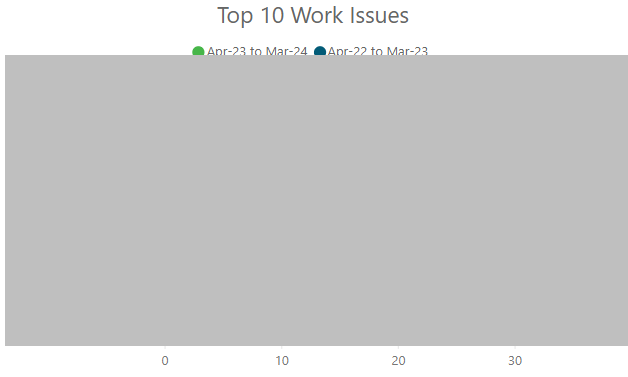
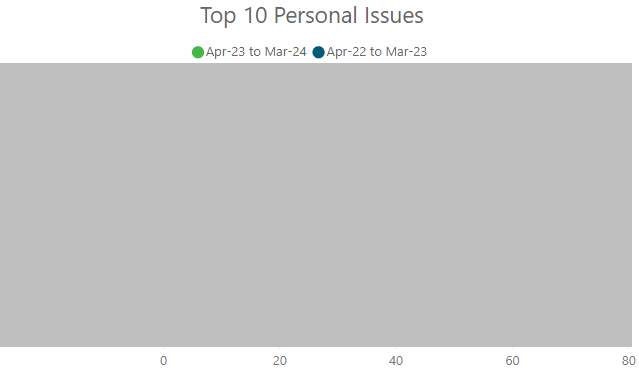
EAP definitions of personal and work issues can be
found here.
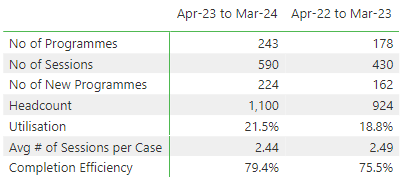
Generic EAP usage for Apr-23 to Mar-24 is 5.4%.
Other customers of Habit Health include NZ Police,
MBIE, Ministry of Justice, Ministry of Education.
Our usage is sitting at 21.5% for the same period.
This is a slight increase from our last report which
9(2)(ba)(i)
was at 21.2%. While this is a smaller increase – we
9(2)(ba)(i) are seeing steady use above 20% in our kaimahi
accessing this service.
While this is a good indication that our people are
comfortable using EAP, it is highlighting the strain
that our people are experiencing.
9(2)(ba)(i)
Please see Appendix Four for an overview of
the Rongoā dashboard as an indication on what we
will be able to report on through the Pilot with EAP
Services.
7
CLASSIFICATION

CLASSIFICATION
Employee Assistance Programme (EAP) contd.
The above data gives an overview of how we compare against other agencies that are clients of Habit Health (NZ Police, MBIE, Ministry of Justice, Ministry of Education). 9(2)(ba)(i)
Commentary from our Business Partners and P&C Advisors:
9(2)(ba)(i)
9(2)(ba)(i)
Our ask of Leaders
Our ask is to encourage leaders to be comfortable with, and understand the ful range of support options available for them and for their team members who may need them. Leaders have a unique role in
noticing when their people may need extra support and being able to confidently point them in the right direction.
The below resources should be wel understood by al leaders:
• Employee Assistance Programme (EAP) (sharepoint.com)
• Wellbeing at Manatū mō te Taiao (sharepoint.com)
• External counsel ing and psychology reimbursement (sharepoint.com)
8
CLASSIFICATION

CLASSIFICATION
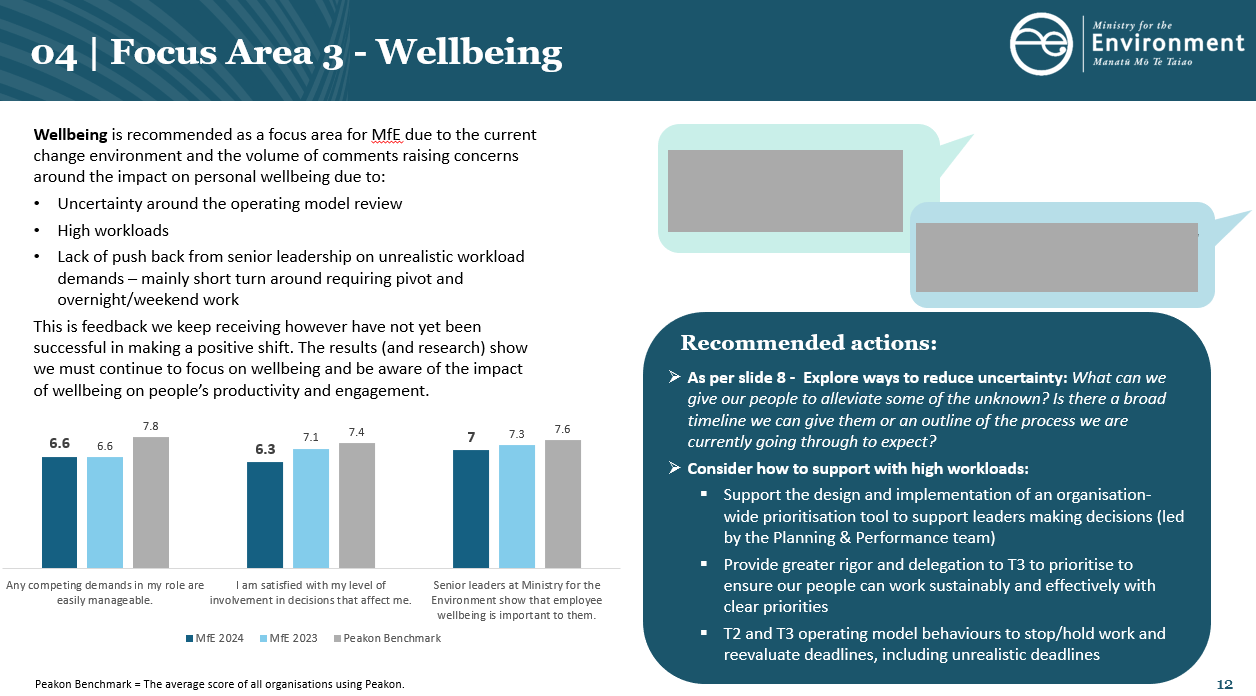
Appendix One : Tō Reo Engagement Survey Outcomes (to TP March 28th)
9(2)(ba)(i)
9(2)(ba)(i)
9
CLASSIFICATION

CLASSIFICATION
Appendix Two: Tō Reo Engagement Survey Outcomes (to TP March 28th)
9(2)(ba)(i)
9(2)(ba)(i)
10
CLASSIFICATION
 Appendix Three:
CLASSIFICATION
Wellbeing Approach to Support 2024 Change Activities ( to TP Feb 13th )
Our last Quarterly report highlighted an increase in uncertainty and anxiety in relation to the Operating Model Review announced in June 2023. There was also commentary from our P&C
Business Partners and Advisors on the increased number of Employee Relations cases they were seeing. We are about to move into another significant period of change which will impact all
Ministry kaimahi in various ways. Given the impact we saw from the 2023 changes, we should be proactive to ensure good support is in place, and that we are prioritising the protection of
our people’s psychological wellbeing. This includes individual support for those affected and support for our kaimahi who will be engaging with affected staff.
We have good support networks and resources in place and much of this approach can be stood up internally. Our approach falls into three categories below. This is in-line with best practice
for ensuring psychologically safe workplaces. Taking a proactive approach is the best way for us to manage our response and equip our people with the tools to manage through this time.
Proactive Support
Just-in Time Support
Aftercare Support
• Equipping our managers with the tools to have
• Dedicated Te Taiao page to give kaimahi access to
• Provide assistance with counselling, career advice,
productive and safe conversations and to understand
resources when needed. Including Webinars, links to
financial advice and paid time off for job searching,
the impact of change for their teams. This will be
EAP, Ako modules and other useful resources.
applications and interviews. This is in line with the
included in the Manager workshops being created by
• Drop-in sessions for teams and Managers in line with
Collective Employment Agreement.
the L&OD team which will cover both practical change
key announcements.
• On going support for those who are leading and
management and process alongside wellbeing best-
• 1:1 support for kaimahi who are affected. Clear
supporting the organisation through change particularly
practice.
pathways to access this support and connect with BPs,
where they bear a significant amount of the interaction
• Prepare our teams who will be having high-interaction
Advisors and S&W Team.
and emotional load with impacted kaimahi.
with the business during this change to ensure they are
• February Tō reo survey. This will give us valuable
ready with the right tools and information. This
insights and al ow us to pinpoint further opportunities
includes; P&C Advisors, BPs, and HSW Reps.
for support.
• Equipping all kaimahi with the knowledge and
techniques to build their individual resilience and
Risk to the success of this approach: Kaimahi not having the
coping skil s before the change is in effect.
time or encouragement to interact with these resources.
Further potential impacts to be aware of:
• Once the change is announced we may see some ‘survivors' guilt’ appearing for those who have not been directly impacted within a team that has had multiple redundancies.
• We will likely see disruptive and unhelpful behaviours from kaimahi uncomfortable with and affected by the change. These will need to be addressed in a timely manner as their
behaviour will have negative impacts on teams.
• Presenteeism and lack of motivation leading to decreased productivity. This may include unplanned absences due to people’s wel being being affected.
• Leaders wil be impacted both by a strain on their time managing the change, managing the relationships and disruption within their teams. They will also have their own personal
feelings on the change and it’s impact on them to deal with.
CLASSIFICATION

CLASSIFICATION
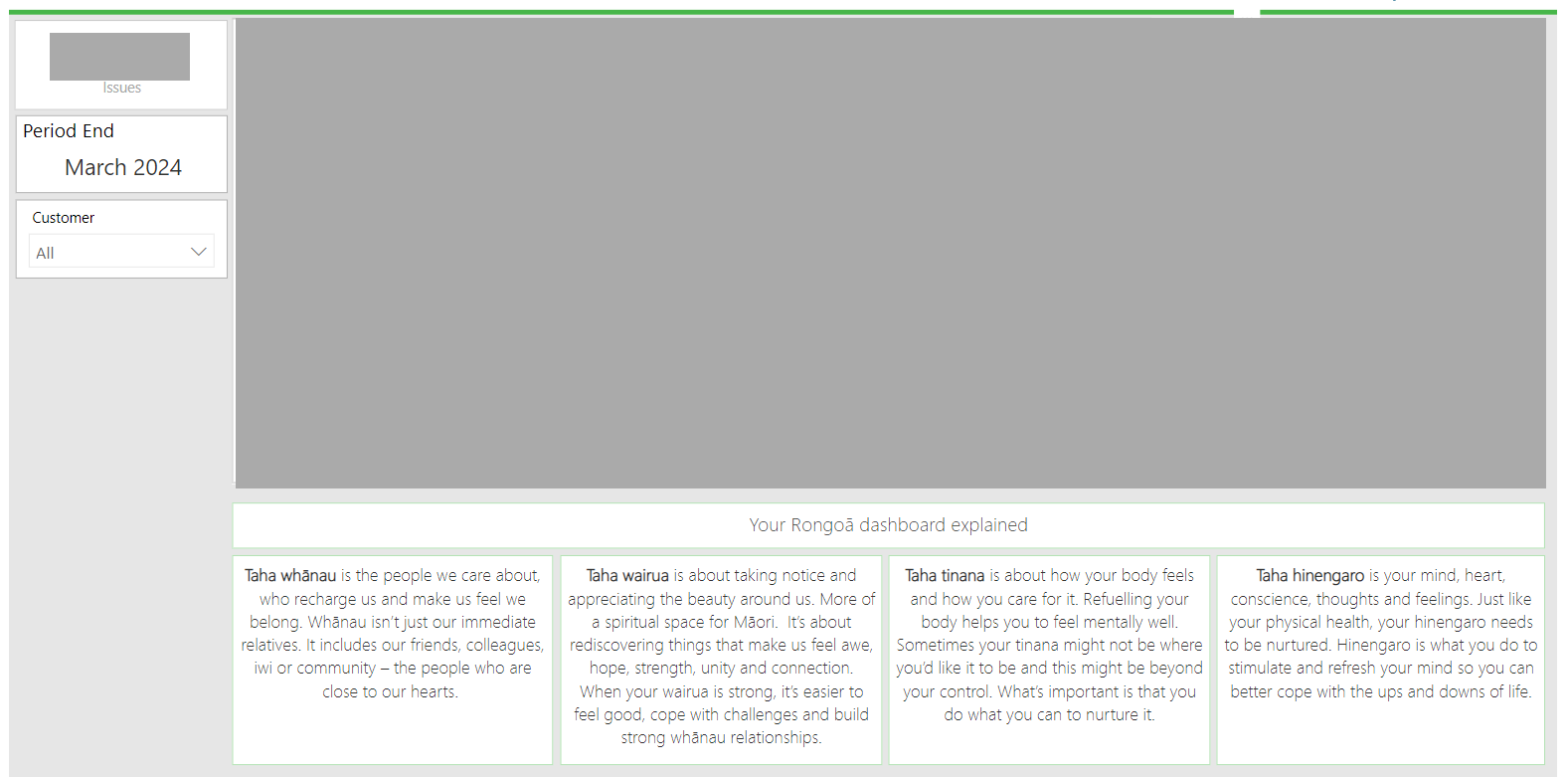
Appendix Four: Rongoā EAP Dashboard (soft-launched in January 2024)
9(2)(ba)(i)
9(2)(ba)(i)
12
CLASSIFICATION
