Released under The Official Information Act 1982
Released under The Official Information Act 1982
New Zealand Army Orders for Dress
NZ P23, Part 2, Chap 6, Sect 3
Issue 21, Jan 25
b.
Dress 1 and 8. Worsted embroidered tank.
Royal New Zealand Corps of Signals Telecommunications Supervisory Manager Badge
8.
This badge consists of a blue flag, a white and blue flag on crossed flagstaffs; the flagstaff of the blue
flag being topmost. The badge is to be worn by operators and engineers who have in all ways qualified at the
Royal New Zealand Signals Communications, Information Systems Manager’s (RNZSigs CISM) course. The
badge is described as follows:
a.
Dress 2. Gold wire outlining the flags and the flagstaffs, on a scarlet backing.
b.
Dress 1 (jacket). Embroidered gold outlining the flags and flagstaffs on khaki cloth.
c.
Dress 1 (shirt – short sleeve). Embroidered on lichen green cloth.
9.
The badge is to be positioned as follows:
a.
Dress 1 and 2 (jacket). Below the elbow centrally with the top of the badge 145 mm from the
bottom of the right sleeve.
b.
Dress 1 (shirt – short sleeve). Centrally on the right sleeve with the lower edge of the badge
1cm above the top of the sleeve cuff.
Royal New Zealand Corps of Signals – Cyril Bassett VC Trophy Recipient Badge
10.
This badge is awarded annually to the outstanding Corporal of the Royal New Zealand Corps of
Signals. The recipient is entitled to wear recognition of the award for a 12 month period from the date of the
award on dress 1 and dress 3.
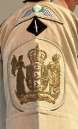
11.
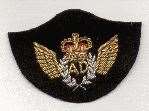
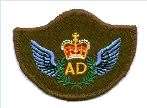
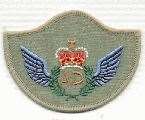
The badge consists of a pair of crossed flags against a maroon background and is worn as follows:
a.
Dress 1. A blue flag, a white and blue flag on with crossed flagstaffs, the flagstaff of the blue
flag being topmost, against a maroon background, with gold wire outlining the flags and the
flagstaffs. The badge is to be positioned above the right elbow centrally with the top of the
badge 180 mm below the shoulder seam.
b.
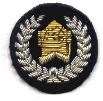
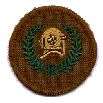
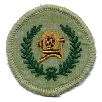
Dress 3. A square patch of a blue flag, a white and blue flag on crossed flagstaffs, the flagstaff
of the blue flag being topmost, against a maroon background.
New Zealand Intelligence Corps Senior Trade Qualification
12.
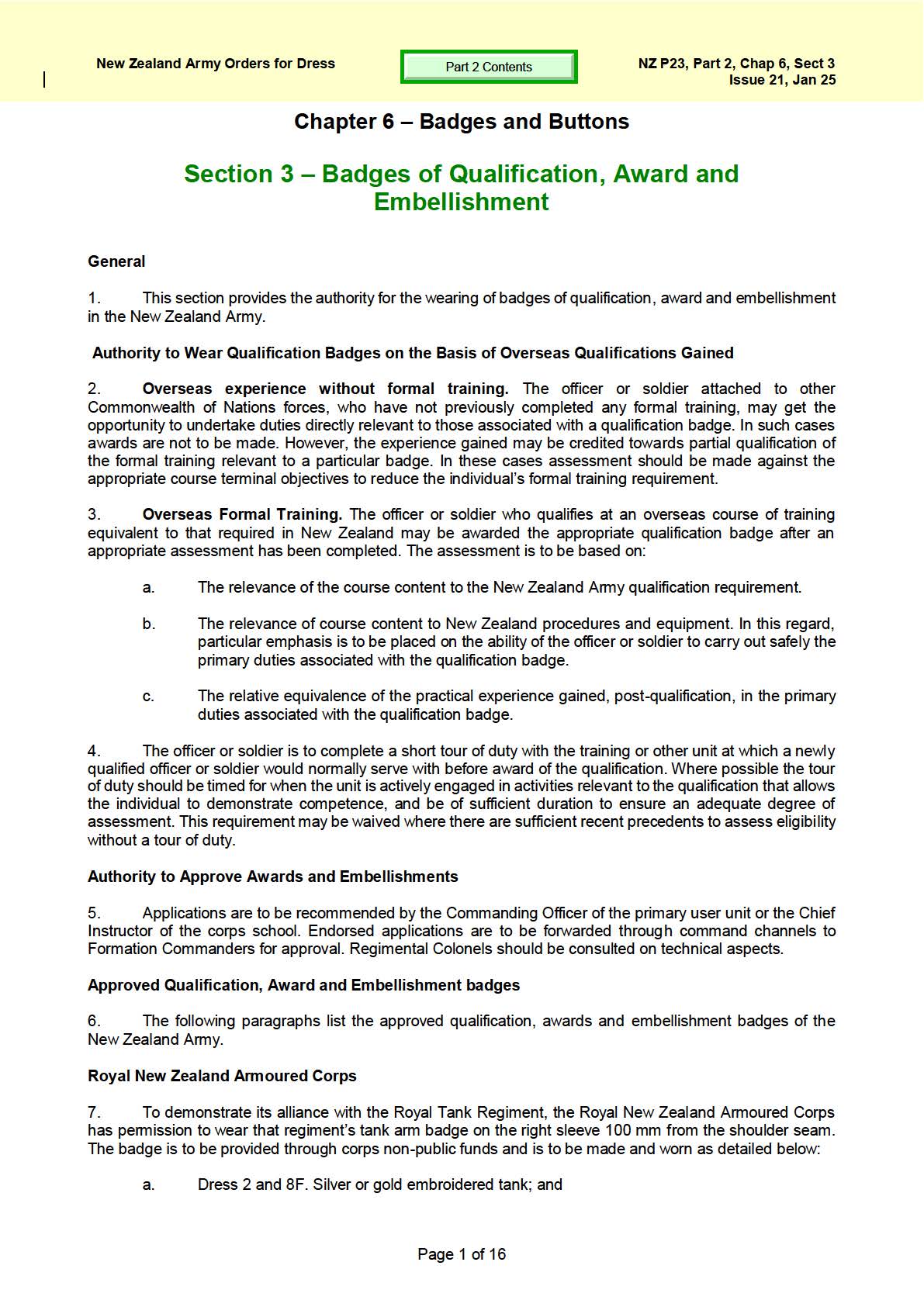
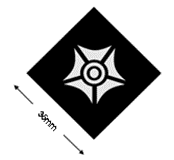
The NZIC Top of Trade badge consists of a The Black Diamond and stylised Tudor Rose motif. The
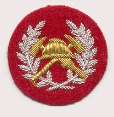
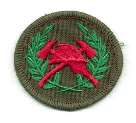
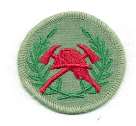
badge is to be worn by Soldiers and Officers of all NZIC Trade Streams upon completion of Combat Intelligence
NZIC Senior (Band 5) coursing. Badges are worn as follows:
a.
Black diamond with silver rose, for wear on Dress No 2 and Dress No 8F.
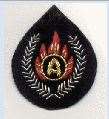
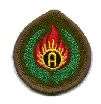
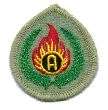
Page 2 of 16
Released under The Official Information Act 1982
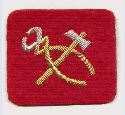
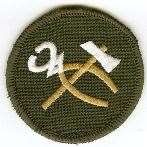
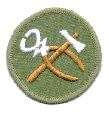
New Zealand Army Orders for Dress
NZ P23, Part 2, Chap 6, Sect 3
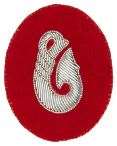
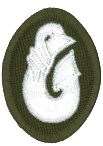
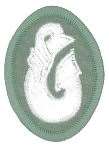
Issue 21, Jan 25
b.
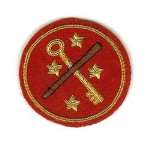
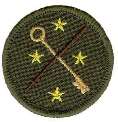
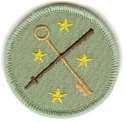
Black diamond with grey rose for wear on jackets of Dress No 1 and Dress No 8; and shirts of
Dress No 1, Dress No 8C, Dress No 8D, and Dress No 8E.
13.
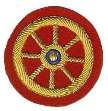
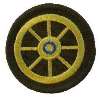
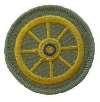
The badge is positioned as follows:
a.
Dress No 1, Dress No 2, Dress No 8A, Dress No 8B, and Dress No 8F (Jackets). Below
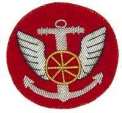
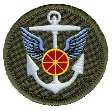
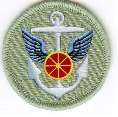
the elbow centrally with the top of the badge 145 mm from the cuff of the right sleeve, except
that Warrant Officers will wear it 19 mm above the rank insignia where necessary.
b.
Dress No 1, Dress No 8 (shirts). Centrally on the right sleeve with the lower edge of the
badge 1cm above the top of the sleeve cuff.
Marksman Badge
14.
The badge consists of a pair of crossed rifles surrounded by crossed fern leaves. The badge is to be
worn by personnel who have qualified, without retests of individual serials, to marksman standard on a unit
annual weapons qualification. Range Conducting Officers (RCO) are to certify the shooting results as correct
and identify those firers who achieve the marksman standard. The results are then to be forwarded to the firer’s
CO. The CO, when satisfied that a firer has achieved all prerequisites, may then approve the award of the
marksman badge. The badge is to be a permanent award. Those personnel who achieve the standard for the
award of the badge three times (not necessarily over three consecutive 12 month periods) are to wear the
badge containing crossed rifles in silver. The badge is described as follows:
a.
Dress 2 (jacket). Silver-wire rifles and fern leaves on a scarlet backing for wear by personnel
qualified three times or more.
b.
Dress 1 (jacket). Embroidered (brown rifles) on khaki cloth, for wear by those personnel
qualified less than three times.
c.
Dress 1 (jacket). Embroidered (silver rifles) on khaki cloth, for wear by those personnel
qualified three times or more
d.
Dress 1 (shirt – short sleeve). Embroidered (brown rifles) on lichen green cloth, for wear by
those personnel qualified less than three times.
e.
Dress 1 (shirt – short sleeve). Embroidered (silver rifles) on lichen green cloth, for wear by
those personnel qualified three times or more.
15.
The badge is to be positioned as follows:
a.
Dress 1, 2 and 5A (jackets). On the left sleeve with the upper point of the insignia 90mm
above the bottom of the sleeve.
b.
Dress 1 (shirt – short sleeve). On the left sleeve with the upper point of the insignia 70mm
below the shoulder seam.
Royal New Zealand Military Police Special Investigator Badge
16.
The badge is 50 mm in circumference and consists of the letters ‘SIB’ surrounded by crossed fern
leaves. The badge is to be worn by soldiers and officers who have completed the RNZMP senior investigator’s
course (or past equivalent RNZMP section sergeant’s course) and have completed a minimum 10 week
attachment with the NZ Police Criminal Investigation Branch. The badge is described as follows:
Page 3 of 16
Released under The Official Information Act 1982
New Zealand Army Orders for Dress
NZ P23, Part 2, Chap 6, Sect 3
Issue 21, Jan 25
a.
Dress 2. Embroidered gold wire on a scarlet backing.
b.
Dress 1 (jacket). Embroidered on khaki backing.
c.
Dress 1 (shirt – short sleeve). Embroidered on lichen green backing.
17.
The badge is to be positioned as follows:
a.
Dress 1 and 2 (jacket). Below the right elbow, centrally, with the top of the badge 145 mm
from the bottom of the sleeve.
b.
Dress 1 (shirt – short sleeve). Above the right elbow, centrally, with the lower edge of the
badge 1cm above the top of the sleeve cuff.
Sniper Badge
18.
The badge consists of a silver ‘S’ above a pair of crossed rifles surrounded by crossed fern leaves.
The badge is worn by personnel who have qualified:
a.
As a unit sniper at either the unit sniper course or the sniper supervisor course conducted by
Combat school; or
b.
At a unit sniper course conducted at the soldier’s unit.
19.
The badge is described and to be worn by personnel who have qualified as detailed below:
a.
Dress 1 (jacket). Embroidered on khaki cloth.
b.
Dress 1 (shirt – short sleeve). Embroidered on lichen green cloth.
20.
The badge is to be positioned as follows:
a.
Dress 1, 2 and 5A (jackets). On the left sleeve, centrally, with the upper point of the insignia
90 mm above the bottom of the sleeve.
b.
Dress 1 (shirt – short sleeve). On the left sleeve, centrally, with the upper point of the insignia
70 mm below the shoulder seam.
New Zealand Army Physical Training Corps (NZAPTC) Physical Training Instructor Badges
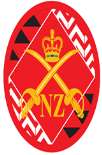
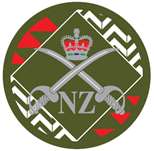
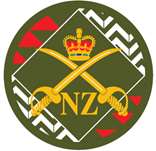
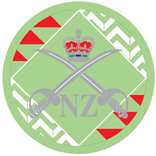
21.
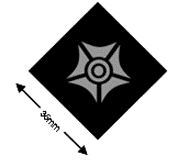
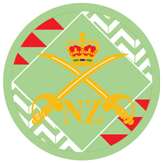
Physical Training Instructor Badges. Both qualification level badges are 60mm in diameter and
consist of crossed sabres surmounted by a St Edward’s crown with Maori motif and differentiated only by the
colour of the crossed sabres:
a.
Silver-wire embroidered crossed sabres. Worn by NZAPTC personnel whom have qualified
on the NZDF Physical Training Instructor Advanced Course with a minimum of 12 months post
course qualification and having met NZAPTC Band Five competencies.
b.
Gold-wire embroidered crossed sabres. Worn by NZAPTC personnel whom have achieved
the status of top of trade by being identified as achieving the rank of Staff Sergeant
(substantive), and posted as a Regional Physical Training Advisor (RPTA) or Chief Instructor
(CI) Defence Physical Education and Recreational Training School (NZ).
Page 4 of 16
Released under The Official Information Act 1982
New Zealand Army Orders for Dress
NZ P23, Part 2, Chap 6, Sect 3
Issue 21, Jan 25
c.
Dress 2. Embroidered silver-wire or gold-wire on scarlet backing worn below the right elbow,
centrally with the top of the badge 145mm from the bottom of the sleeve.
d.
Dress 1 (jacket). Embroidered silver-wire or gold-wire on khaki cloth worn below the right
elbow, centrally with the top of the badge 145mm from the bottom of the sleeve.
e.
Dress 1 (shirt–short sleeve). Embroidered silver-wire or gold-wire on lichen green cloth worn
above the right elbow, centrally with the lower edge of the badge 1cm above the top of the
sleeve cuff.
Parachutist Badge.
22.
This badge consists of a pair of drooping wings with a parachute in the centre, the parachute being
surrounded by crossed fern leaves. The badge is to be worn by personnel who have qualified at a basic
parachute course at a recognised parachute training school. The badge is described and worn as follows:
a.
Dress 2. Gold-wire wings, a parachute and silver wire fern leaves, all on a black backing.
b.
Dress 1 (jacket). Embroidered on khaki cloth.
c.
Dress 1 (shirt – short sleeve). Embroidered on lichen green cloth
23.
The badge is to be positioned on the right sleeve so that the top of the insignia is 50 mm below the
shoulder seam.
Parachute Jump Instructor Badge
24.
This badge consists of a parachute surrounded by a laurel wreath with a half-wing attached. A crown
surmounts the design on all metal badges. The badge is to be worn by personnel who have qualified as a
parachute jump instructor at a recognised parachute training school. The badge is described as follows:
a.
Dress 2. Gold-wire wing and wreath and silver-wire parachute on light blue backing.
b.
Dress 1 (jacket). Embroidered on black cloth.
c.
Dress 1 (shirt – short sleeve). Embroidered on lichen green cloth.
Page 5 of 16
Released under The Official Information Act 1982
New Zealand Army Orders for Dress
NZ P23, Part 2, Chap 6, Sect 3
Issue 21, Jan 25
25.
The badge is to be positioned on the left breast immediately above any medal ribbons or in the
equivalent position.
Assistant Parachute Jump Instructor Badge
26.
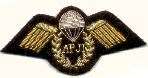
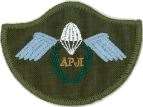
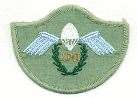
This badge consists of a pair of wings with a parachute between, the letters APJI beneath the
parachute with crossed fern leaves surrounding the letters and part of the parachute. The badge is to be worn
by personnel who have qualified as an assistant parachute jump instructor at a recognised parachute training
school. The badge is described as follows:
a.
Dress 2. Gold wire wings, lettering and fern leaves with a silver wire parachute on a black
backing.
b.
Dress 1 (jacket). Embroidered on khaki cloth.
c.
Dress 1 (shirt – short sleeve). Embroidered on lichen green cloth.
27.
The badge is to be positioned as for the parachutist badge. When the assistant parachute jump
instructor badge is worn, the parachutist badge is not to be worn.
New Zealand Special Air Service (NZSAS) Parachutist Badge
28.
This badge consists of a pair of wings with a parachute in the centre. The badge is to be worn by
personnel who must have successfully completed the following to be eligible to wear the badge:
a.
A basic parachute course at a recognised parachute training school.
b.
Qualified on a SAS selection course.
c.
Held on the strength of a SAS unit that required them to jump by parachute, and;
d.
Made a parachute jump as a member of a SAS unit on operations.
29.
The badge is described as follows:
a.
Dress 2. Gold and silver wire, wings gold, parachute silver, all on a black backing.
b.
Dress 1 (jacket). Embroidered on black cloth.
c.
Dress 1 (shirt – short sleeve). Embroidered on lichen green cloth.
Page 6 of 16
Released under The Official Information Act 1982
New Zealand Army Orders for Dress
NZ P23, Part 2, Chap 6, Sect 3
Issue 21, Jan 25
30.
The badge is to be positioned as for the parachutist badge. When the NZSAS badge is worn, neither
the parachutist nor the assistant parachute jump instructor badge is to be worn.
New Zealand Commando Diamond
31.
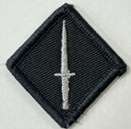
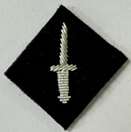
The New Zealand Commando Diamond consists of a 30mm x 30mm black diamond and a stylised
Fairbairn-Sykes fighting knife (commando dagger, tip uppermost) in silver thread for Dress 1 or silver bullion
for Dress 2. Soldiers and Officers who have successfully qualified on the Special Operations Tactical Assault
Course and have posted to 1st NZSAS Regiment are entitled to wear the badge for the duration of their military
service.
a.
Black diamond with stylised Fairbairn-Sykes fighting knife in silver thread for wear on Dress
No 1.
b.
Black diamond with stylised Fairbairn-Sykes fighting knife in silver bullion for wear on Dress
No 2.
32.
The badge is be positioned as follows:
a.
Dress 1 and 2 (jackets):
(1)
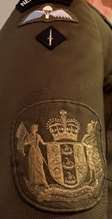
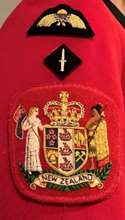
The badge is to be worn on the right sleeve with the top of the diamond central and
90mm below the shoulder seam. Should an individual have parachutist wings then
the Commando Diamond is to be sewn 10mm below1.
Notes:
1 For those individuals that hold a Regimental Sergeant Major or Senior Warrant Officer appointment (Large New Zealand
Coat of Arms) the Commando Diamond is to be sewn 10mm below the parachutist wings and above the Coat of Arms.
Page 7 of 16
Released under The Official Information Act 1982
New Zealand Army Orders for Dress
NZ P23, Part 2, Chap 6, Sect 3
Issue 21, Jan 25
b.
Dress 1 (shirt – short sleeve).
(1)
The badge is to be worn on the right sleeve with the top of the diamond central and
50mm below the shoulder seam. Should an individual have parachutist wings then
the Commando Diamond is to be sewn 10mm below2.
Air Dispatch Badge
33.
This badge consists of a pair of wings with crossed fern leaves between them, within the fern leaves
the letters AD and the whole surmounted by a crown. The badge is to be worn by members of RNZALR who
must have qualified in the following to be eligible to wear the badge:
a.
Completed and passed the aerial delivery rigger RNZALR junior course
b.
Completed 18 continuous months of service in the trade of movement operator RNZALR; and
c.
Rigged a minimum of 20 successful sorties.
34.
The badge is described as follows:
a.
Dress 2. Gold-wire lettering, crown and wing, and silver fern leaves on a black backing.
b.
Dress 1 (jacket). Embroidered on khaki cloth.
c.
Dress 1 (shirt – short sleeve). Embroidered on lichen green cloth.
Notes:
2 Dependant on Short Sleeve size available, position central between Parachutist and Coat of Arms badges.
Page 8 of 16
Released under The Official Information Act 1982
New Zealand Army Orders for Dress
NZ P23, Part 2, Chap 6, Sect 3
Issue 21, Jan 25
35.
The badge is to be positioned as follows:
a.
Dress 1 and 2 (jacket). The badge is to be worn on the left sleeve so that the top of the badge
is 145 mm above the bottom of the sleeve.
b.
Dress 1 (shirt – short sleeve). All ranks are to wear the badge on the left sleeve so that the
top of the insignia is 70 mm below the shoulder seam.
Royal Regiment of New Zealand Artillery (RNZA) Assistant Instructor in Gunnery (AIG) Badge.
36.
WOs and SNCOs of the RNZA who qualify as AIGs are entitled to wear the crossed guns badge. This
is awarded to personnel qualified on the RNZA Staff Sergeants course, and who have completed a year’s
satisfactory service as either the Master Gunner, Sergeant Major Instructor in Gunnery or Assistant Instructor
in Gunnery at the School of Artillery (NZ) or other Commonwealth Schools of Artillery. This can be applied in
any order. The wearing of the badge is endorsed by the Chief Instructor of the School of Artillery (NZ) in
consultation with the Master Gunner and approved by the RNZA Regimental Colonel in consultation with the
RNZA Regimental Warrant Officer. RNZA personnel that commission from the ranks who have been awarded
the crossed guns (as soldiers) can continue to wear the badge as officers.
37.
The badge is described as follows:
a.
Dress 3 (WO1 rank patch). Embroidered (reduced) New Zealand coat of arms and crossed
guns.
b.
Dress 3 (WO2 rank patch). Embroidered (reduced) King Edward crown encased by laurel
leaves and crossed guns.
c.
Dress 2. Gold-wire guns on a red backing.
d.
Dress 1 (jacket). Embroidered on khaki cloth; and
e.
Dress 1 (shirt – short sleeve). Embroidered on lichen green cloth.
38.
The badge is be positioned as follows:
a.
Dress 1 and 2 (jackets):
(1)
Warrant Officers3. The badge is to be worn on the right sleeve with the upper edge
20 mm below the lower edge of the rank badge.
(2)
Staff Sergeants and Sergeants. The badge is to be worn above the chevrons on the
sleeve in lieu of the RNZA gun (see section 2 of this chapter).
b.
Dress 1 (shirt – short sleeve). In all cases, the badge is to be worn on the right sleeve, so
that the bottom of the badge is 1cm above the top of the sleeve cuff.
c.
Dress 3. In all cases the rank patch is to be worn in the same position as all other rank patches.
Driver of the Year Badge
39.
This badge comprises of a wagon wheel with the numerals ‘1’, ‘2’ or ‘3’ placed central y on the hub.
The badge is to be worn, for a period of 12 months from date of award, by RNZALR soldiers who are placed
first, second, or third in the RNZALR annual national driver of the year competition. The TTS combat driving
wing Warrant Officer has full control of this competition and makes any decisions around the wearing of the
patch.
Notes:
3 WO1 appointed to RSM will follow same conventions with placement 20mm below Warrant officer rank badge placement
low on the sleeve.
Page 9 of 16

Released under The Official Information Act 1982
New Zealand Army Orders for Dress
NZ P23, Part 2, Chap 6, Sect 3
Issue 21, Jan 25
40.
There are two types of badge, both comprising an embroidered wagon wheel with a numeral placed
centrally on its hub on and they are described as follows:
a.
Dress 1 (jacket). Khaki cloth; and
b.
Dress 1 (shirt – short sleeve). Lichen green cloth.
41.
The driver of the year badge is to be positioned on the right sleeve with the lower edge of the badge
100 mm below the shoulder seam. Where other badges are also worn, the driver of the year badge is to be
placed 20 mm below the lowest point of the other badges.
Diver Badge
42.
This badge comprises a diver’s helmet surrounded by crossed fern leaves. The badge is worn by
personnel who have qualified at the RNZN diver course.
43.
The badge is described as follows:
a.
Dress 2. Gold wire helmet and silver fern leaves on a red backing;
b.
Dress 1 (jacket). Embroidered on khaki cloth; and
c.
Dress 1 (shirt – short sleeve). Embroidered on lichen green cloth.
44.
The badge is to be positioned as follows:
a.
Dress 1 and 2 (jackets). On the left sleeve so that the top of the badge is 145 mm above the
bottom of the cuff.
b.
Dress 1 (shirt – short sleeve). On the left arm 70 mm below the shoulder seam.
Page 10 of 16
Released under The Official Information Act 1982
New Zealand Army Orders for Dress
NZ P23, Part 2, Chap 6, Sect 3
Issue 21, Jan 25
Firefighter Qualification Badge
45.
This is a permanent award that is comprised of a helmet with crossed axles and laurel leaves on both
sides.
46.
The badge is described as follows:
a.
Dress 2. Embroidered gold-wire on a red backing:
b.
Dress 1 (jacket). Embroidered on khaki cloth:
c.
Dress 1 (shirt – short sleeve). Embroidered on lichen green cloth:
47.
The badge is to be worn by all personnel who have qualified on the firefighter basic course RNZE.
Additionally the following personnel are also eligible:
a.
Volunteer Firefighters. Any soldier or officer that has served a minimum of three years with
an Army fire brigade and has qualified on the volunteer recruit firefighter course. The badge is
to be awarded to volunteer firefighters at the approval of the respective camp Fire Masters.
48.
The badge is to be positioned as follows:
a.
Dress 1 and 2 (jackets). On the left lower sleeve, 165 mm above the bottom of the cuff. For
WO’s the badge is to be worn immediately above the badge of rank.
b.
Dress 1 (shirt – short sleeve). On the left arm, 50 mm below the point of the shoulder.
Royal New Zealand Army Logistics Regiment Ammunition Technician/Ammunition Technical Officer
Badge
49.
This badge consists of the letter ‘A’ in a circle from which symbolic flames emanate, and surrounded
by crossed fern leaves. The badge is described as follows:
Page 11 of 16
Released under The Official Information Act 1982
New Zealand Army Orders for Dress
NZ P23, Part 2, Chap 6, Sect 3
Issue 21, Jan 25
a.
Dress 2. Fern leaves, in silver wire, outer flames in red, circle and centre flames and ‘A’ in
gold wire, all on a black backing.
b.
Dress 1 (jacket). Embroidered on khaki cloth.
c.
Dress 1 (shirt – short sleeve). Embroidered on lichen green cloth.
50.
The badge is to be worn by all soldiers qualified Band 5 and above in the trade of ammunition
technician, and all officers after qualifying at the ammunition technical officer (ATO) course. The badge is to
be positioned as follows:
a.
Dress 1 and 2 (jacket). On the left lower sleeve 165 mm above the bottom of the cuff. Warrant
officers will wear it 19 mm above the rank insignia where necessary.
b.
Dress 1 (shirt – short sleeve). On the left sleeve so that the top of the insignia is 50 mm
below the shoulder seam.
Royal New Zealand Army Logistics Regiment Artificer Badge
51.
This badge consists of a diagonally crossed hammer and pincers, worn with the handles facing down.
The badge is to be worn by all personnel qualified on the artificer course and is described as follows:
a.
Dress 2. Gold-wire handles and silver-wire heads on a scarlet backing.
Page 12 of 16
Released under The Official Information Act 1982
New Zealand Army Orders for Dress
NZ P23, Part 2, Chap 6, Sect 3
Issue 21, Jan 25
b.
Dress 1 (jacket). Embroidered on khaki backing.
c.
Dress 1 (shirt – short sleeve). Embroidered on lichen green cloth.
52.
The badge is to be positioned as follows:
a.
Dress 1 and 2 (jacket). Below the right elbow, centrally, with the top of the badge 145 mm
from the bottom of the sleeve.
b.
Dress 1 (shirt – short sleeve). Above the right elbow, centrally, with the lower edge of the
badge 1cm above the top of the sleeve cuff.
Caterer Royal New Zealand Army Logistics Regiment Advanced Badge
53.
This badge is oval shaped, being 55 mm in height by 40 mm in width and consists of a Maori styled
bone-carved fish hook. The badge is to be worn by all personnel qualified on the caterer RNZALR advanced
course (or equivalent precursor). The badge is described as follows:
a.
Dress 2. Embroidered gold wire on a scarlet backing.
b.
Dress 1 (jacket). Embroidered on khaki backing.
Page 13 of 16
Released under The Official Information Act 1982
New Zealand Army Orders for Dress
NZ P23, Part 2, Chap 6, Sect 3
Issue 21, Jan 25
c.
Dress 1 (shirt – short sleeve). Embroidered on lichen green cloth.
54.
The badge is to be positioned as follows:
a.
Dress 1 and 2 (jacket). Below the right elbow, centrally, with the top of the badge 145 mm
from the bottom of the sleeve.
b.
Dress 1 (shirt – short sleeve). Above the right elbow, centrally, with the lower edge of the
badge 1cm above the top of the sleeve cuff.
Royal New Zealand Army Logistics Regiment Logistics Specialist Badge
55.
This badge consists of a taiaha and brass key diagonally crossed, with the four stars of the Southern
Cross between each point. The badge is to be worn by any SNCO, WO or officer qualified at the logistics
specialist management course.
56.
The badge is described as follows:
a.
Dress 2. Embroidered gold-wire on a scarlet backing.
b.
Dress 1 (jacket). Embroidered on khaki backing.
c.
Dress 1 (shirt – short sleeve). Embroidered on lichen green cloth
Page 14 of 16
Released under The Official Information Act 1982
New Zealand Army Orders for Dress
NZ P23, Part 2, Chap 6, Sect 3
Issue 21, Jan 25
57.
The badge is to be positioned as follows:
a.
Dress 1 and 2 (jackets). Below the right elbow, centrally, with the top of the badge 145 mm
from the bottom of the sleeve.
b.
Dress 1 (shirts – short sleeve). Above the right elbow, centrally, with the lower edge of the
badge 1cm above the top of the sleeve cuff.
Royal New Zealand Army Logistics Regiment Combat Driver Badge
58.
This badge consists of an eight-spoke wagon wheel. The Combat Driver badge is to be worn by all
personnel after qualifying at the transport RNZALR Staff Sergeants course.
59.
The badge is described as follows:
a.
Dress 2. Embroidered gold-wire on a scarlet backing.
b.
Dress 1 (jacket). Embroidered on khaki backing.
c.
Dress 1 (shirt). Embroidered on lichen green cloth
60.
The badge is to be positioned as follows:
a.
Dress 1 and 2 (jackets). Below the right elbow, centrally, with the top of the badge 145 mm
from the bottom of the sleeve.
b.
Dress 1 (shirt – short sleeve). Above the right elbow, centrally, with the lower edge of the
badge 1cm above the top of the sleeve cuff.
Royal New Zealand Army Logistics Regiment Movement Operators Advanced Badge
61.
This badge consists of a wheel depicting movement control, the wings depicting aerial delivery, and
the anchor depicting terminal operations. The badge is to be worn by any SNCO, WO or officer qualified at the
movement operator advanced course.
62.
The badge is described as follows:
Page 15 of 16
Released under The Official Information Act 1982
New Zealand Army Orders for Dress
NZ P23, Part 2, Chap 6, Sect 3
Issue 21, Jan 25
a.
Dress 2. Embroidered golf-wire on a scarlet backing;
b.
Dress 1 (jacket). Embroidered on khaki backing; and
c.
Dress 1 (shirt). Embroidered on lichen green cloth
63.
The badge is to be positioned as follows:
a.
Dress 1 and 2 (jackets). Below the right elbow, centrally, with the top of the badge 145 mm
from the bottom of the sleeve.
b.
Dress 1 (shirt – short sleeve). Above the right elbow, centrally with the lower edge of the
badge 1cm above the top of the sleeve cuff.
Page 16 of 16
